

Kings of the African Savannah
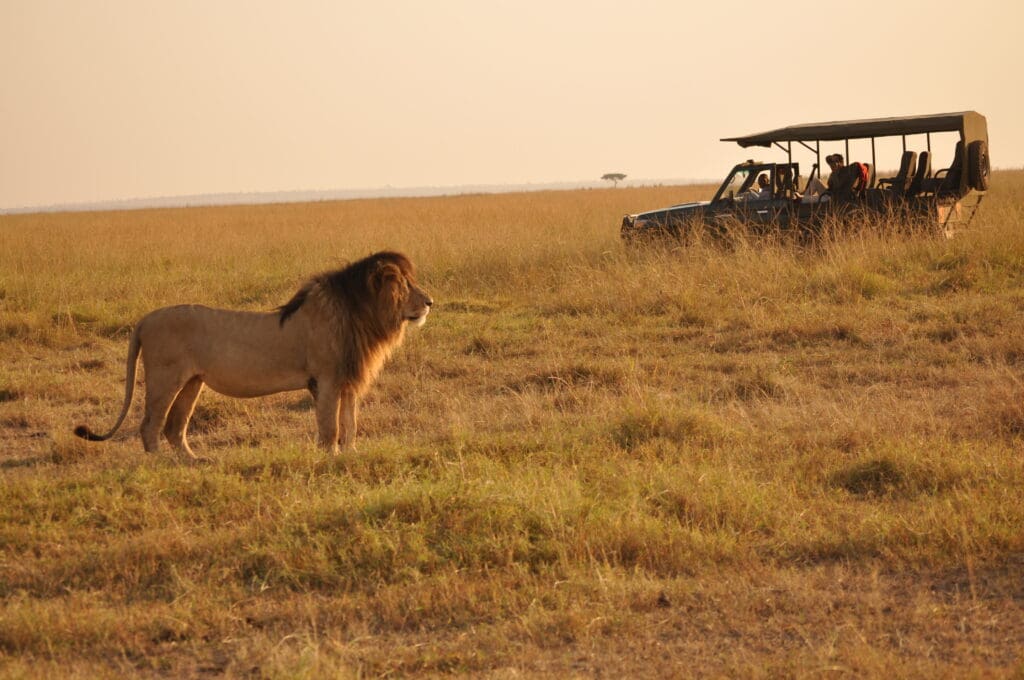
The Maasai Mara, a world-renowned wildlife reserve in Kenya, is not only home to our luxurious camp, but to one of the most impressive and iconic species on the planet – the lion. These magnificent creatures, often referred to as the “Kings of the Savannah,” roam the vast plains, ruling over their territories with grace and power. Let us explore the fascinating world of the lions of the Maasai Mara, delving into their behaviour, social structure, conservation status, and the best ways to witness these regal animals in their natural habitat when visiting Sentinel Mara Camp.
UNDERSTANDING LION BEHAVIOUR
Lions are social animals, living in groups known as prides. A typical pride consists of related females, their cubs, and a small number of adult males. The females are the primary hunters, working together to bring down prey such as wildebeest, zebras, and buffaloes. The males, on the other hand, play a crucial role in protecting the pride’s territory from rival males.
HUNTING AND FEEDING
The Maasai Mara provides a rich hunting ground for lions, particularly during the Great Migration when millions of wildebeest, zebras, and other herbivores traverse the plains. Lions are opportunistic hunters and often use the cover of darkness to ambush their prey. A successful hunt is a communal event, with the pride sharing the spoils, although the males typically eat first.
SOCIAL STRUCTURE
The social structure of a lion pride is complex and hierarchical. Female lions are usually lifelong members of the pride they were born into, while males typically leave their natal pride when they reach maturity. Male lions often form coalitions with their brothers or other male lions to increase their chances of taking over a pride. Once they establish dominance, they mate with the females and protect the pride from external threats.
CONSERVATION STATUS
Despite their regal status, lions face significant threats that have led to a decline in their populations across Africa. Habitat loss, human-wildlife conflict, and poaching are some of the primary challenges. The Maasai Mara is a protected area, but even here, lions are not completely safe from these dangers.
EFFORTS TO PROTECT LIONS
Conservation organisations such as the Mara Predator Conservation Programme and local communities are working tirelessly to protect the lions of the Maasai Mara. Initiatives include anti-poaching patrols, community education programs, and efforts to mitigate human-lion conflicts. Tourism also plays a vital role in conservation, providing funds and raising awareness about the importance of preserving these majestic animals.
WITNESSING LIONS IN THE MAASAI MARA
For those looking to experience the awe-inspiring sight of lions in the wild, the Maasai Mara offers some of the best opportunities. While lions can be seen year-round in the Maasai Mara, the best time to visit is during the dry season, from June to October. This period coincides with the Great Migration, offering a higher chance of witnessing lions in action as they hunt the migrating herds.
PHOTOGRAPHY TIPS
Capturing stunning photos of lions requires patience and preparation. Use a telephoto lens to get close-up shots without disturbing the animals. Early morning and late afternoon provide the best lighting for photography. Be ready for action shots, especially during hunts or when cubs are playing.
The lions of the Maasai Mara embody the wild beauty and raw power of the African savannah. By understanding their behaviour, appreciating their role in the ecosystem, and supporting conservation efforts, we can ensure that these majestic animals continue to thrive for generations to come.


