
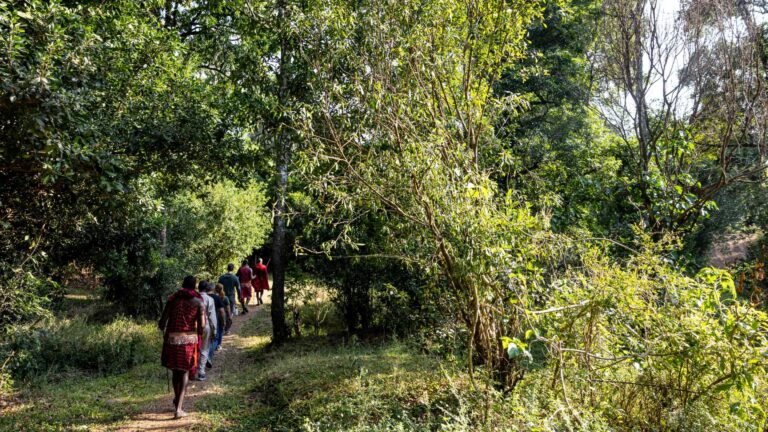
For many travellers, a safari in the Maasai Mara National Reserve is synonymous with the famous Great Migration. Images of thousands of wildebeest crossing crocodile-filled rivers have shaped the way people think about the Mara. While this spectacle is undoubtedly extraordinary, it has also created a misconception: that the migration months are the only time worth visiting.
Those who know the Mara well often speak quietly about another time of year. A season when the plains turn emerald green, the skies become dramatic canvases of clouds and light, and the reserve feels more intimate and wild. This is the green season — a time when the Mara reveals a different, deeply rewarding side of itself.
For guests staying at Sentinel Mara Camp, it can be one of the most memorable times to experience the African wilderness.
When the Mara Comes Alive
The green season in the Maasai Mara National Reserve typically runs from November through May. During these months, seasonal rains refresh the landscape, transforming the golden plains into lush grasslands. The rain seldom dominates the entire day. More often, it arrives in short, refreshing bursts, followed by clear skies and the scent of fresh earth.
With the return of the rains, the Mara becomes vibrant again. Rivers swell, grasses grow thick and nutritious, and wildflowers begin to dot the landscape. The reserve feels alive with movement and colour. For many safari veterans, this is the Mara at its most beautiful.

A Landscape Transformed
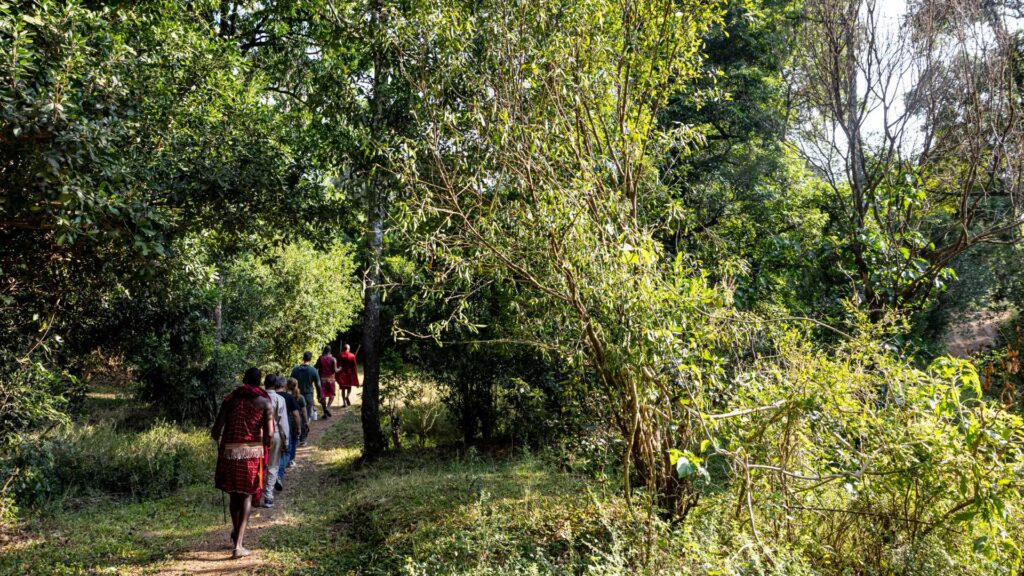
There is something quietly magical about the Mara during the green season. Instead of dry plains stretching to the horizon, visitors encounter rolling fields of rich green grass that ripple in the wind. The acacia trees stand darker and fuller against the skyline, while distant storms build dramatic layers of clouds above the savannah.
After a passing shower, the air becomes clear and cool. Sunlight breaks through the clouds, casting long beams of light across the plains. These moments often create some of the most breathtaking views the Mara has to offer.
For photographers and nature lovers alike, the contrast between stormy skies, glowing sunsets and vibrant landscapes creates an atmosphere that feels both cinematic and peaceful.
Remarkable Wildlife Encounters
While the migration may move elsewhere during parts of the year, the Mara’s wildlife never truly disappears. The reserve is home to an astonishing density of animals year-round, and the green season can offer exceptional sightings.
With fresh grass spreading across the plains, herbivores disperse widely throughout the ecosystem. Herds of zebra, antelope and buffalo move freely through the landscape, grazing on the new vegetation. Where prey gathers, predators inevitably follow.
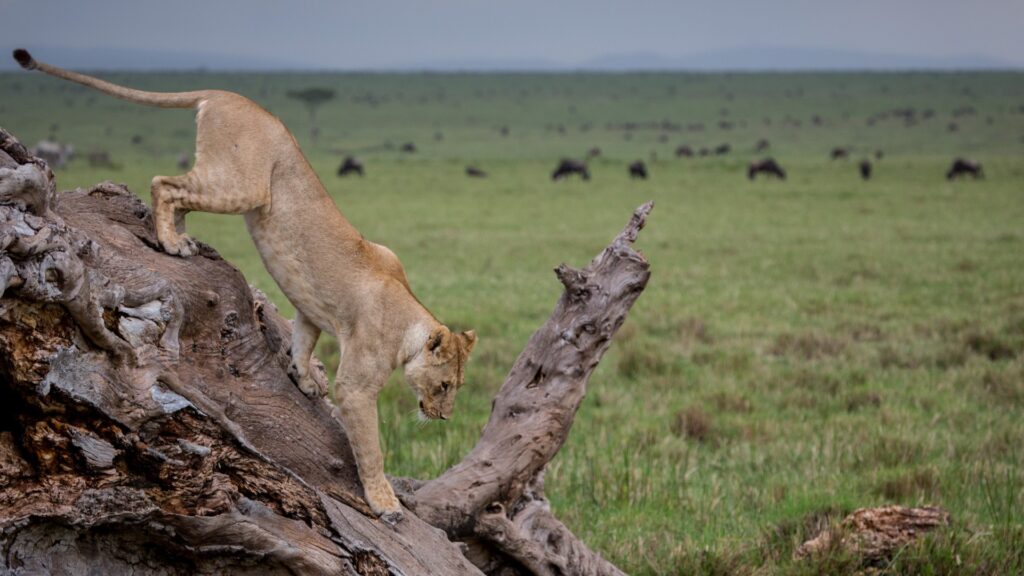
Lions rest beneath acacia trees, leopards patrol riverbanks, and cheetahs scan the plains for opportunity. Because there are often fewer vehicles in the reserve during this period, wildlife encounters tend to feel more personal and unhurried. Guests may spend extended time observing natural behaviour without the crowds that sometimes accompany peak season sightings.
The Season of New Life
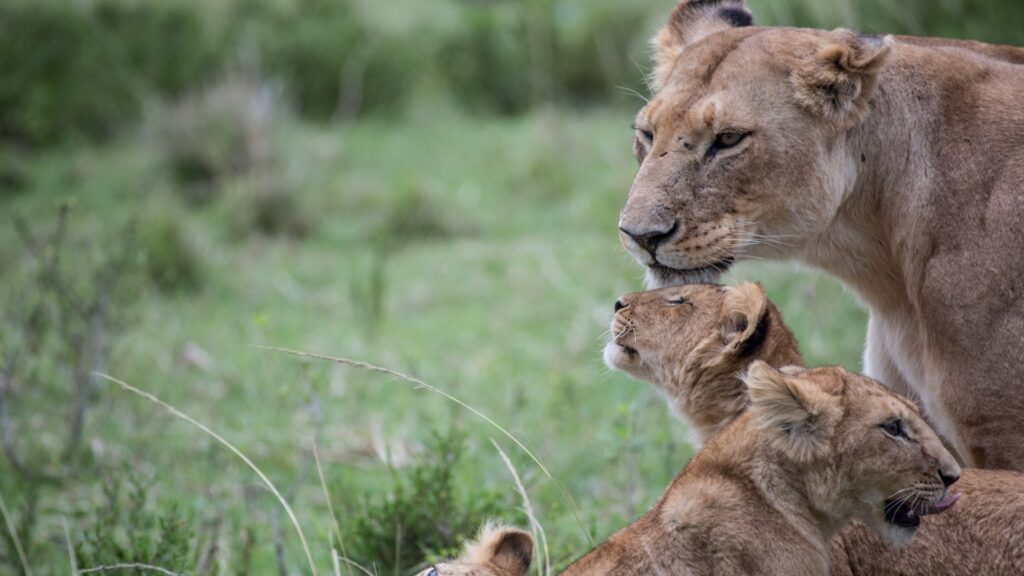
One of the most fascinating aspects of the green season is the arrival of newborn animals. Many herbivores give birth during this time of abundance, when the fresh grass provides the nourishment needed for young animals to grow strong.
Across the plains, visitors may encounter newborn zebras taking their first unsteady steps or young antelope staying close to their mothers. The presence of these vulnerable animals also attracts predators, creating moments of real wilderness drama.
This cycle of life, renewal and survival offers a deeper glimpse into the rhythms that define the African savannah.
A Photographer’s Dream
The green season is widely considered one of the best times for wildlife photography. The softer, diffused light created by cloud cover reduces harsh shadows, making it easier to capture detail and colour. The vibrant green backgrounds also bring animals into striking contrast, creating images that feel richer and more dynamic than those taken during the dry season.
Storm clouds rolling across the plains can produce spectacular skies, while rainbows occasionally appear after passing showers. Combined with the reduced number of vehicles in the reserve, photographers often find they have the space and time needed to frame the perfect shot.

A More Intimate Safari
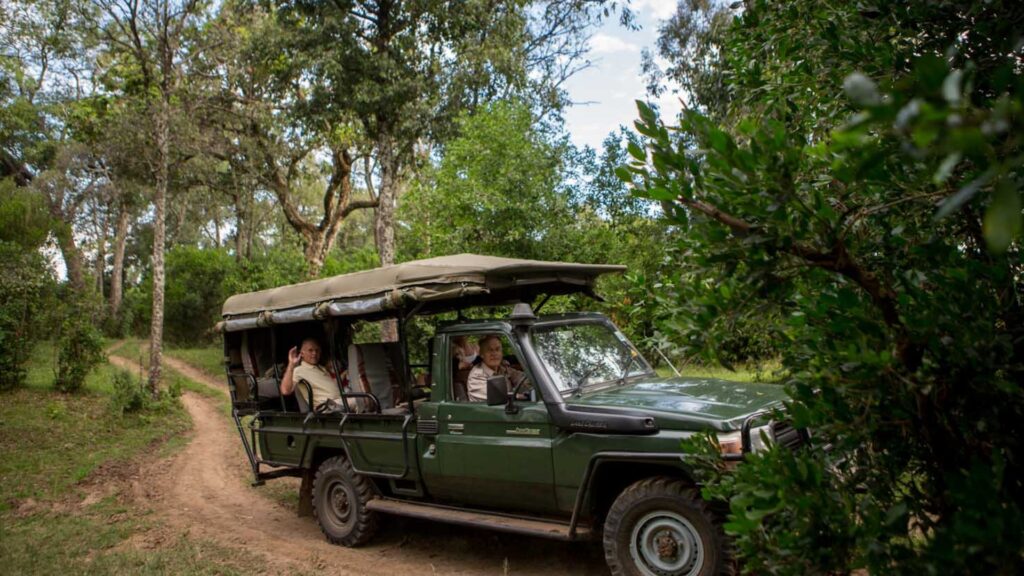
Another advantage of visiting during the green season is the sense of calm that settles over the reserve. While the Mara remains active with wildlife, the number of visitors is generally lower than during peak migration months.
Game drives become quieter and more relaxed. Guides can spend longer exploring promising areas, following animal tracks, or simply pausing to watch the landscape shift in colour and light. For many travellers, this slower pace allows them to connect more deeply with the environment.
At Sentinel Mara Camp, this sense of tranquility is part of the experience. After a morning exploring the plains, guests can return to camp to enjoy the views of the surrounding wilderness, listening to distant bird calls or the rumble of thunder moving across the savannah.
Why the Green Season Is the Mara’s Best-Kept Secret
In truth, the green season is not an “off-season” at all. It is simply a different chapter in the Mara’s story — one defined by renewal, dramatic landscapes and the quiet rhythms of the wild.
Visitors who arrive during this time often discover something unexpected: a safari that feels more personal, more immersive, and perhaps even more authentic. The landscapes are lush, the wildlife remains abundant, and the atmosphere carries a sense of calm that can be difficult to find during busier months.
For those willing to see the Mara beyond the migration headlines, the green season offers a rare opportunity to experience the wilderness in its most vibrant and intimate form.
And from the comfort of Sentinel Mara Camp, it is an experience that reveals just how magical this underrated season can truly be.


