

The earth trembles. Dust rises in towering clouds. The thunder of two million hooves echoes across the Serengeti plains—and you’re standing right in the middle of it all. This is the Great Migration, nature’s most spectacular annual event, and there’s no better vantage point than Sentinel Mara Camp.
If you’ve dreamed of witnessing one of the world’s most awe-inspiring natural phenomena, read on. We’re breaking down everything you need to know about experiencing the Great Migration from this remarkable Kenyan lodge.
The Greatest Show on Earth
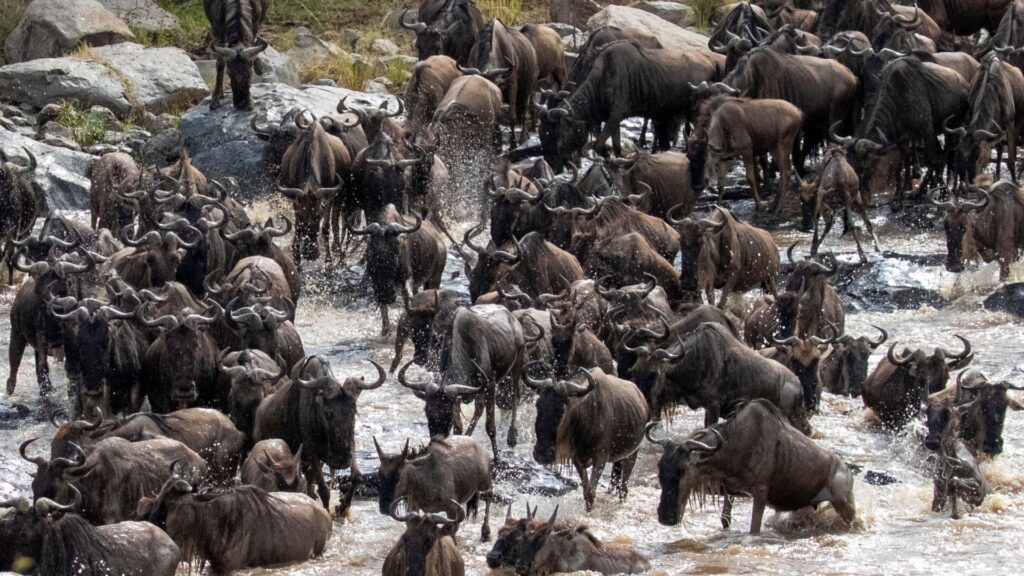
Every year, over two million wildebeest, zebras, and gazelles undertake an extraordinary 1,800-mile circular migration across the Serengeti and Masai Mara. They’re following ancient routes, chasing rainfall and fresh grazing lands in one of nature’s most dramatic cycles.
But this isn’t just a peaceful stroll through the savanna. Predators – lions, leopards, crocodiles, and wild dogs all have marked their calendars too. The migration is a masterclass in survival, death, and rebirth, unfolding across multiple seasons and landscapes.
For travellers, witnessing this event firsthand transforms you. It’s raw, humbling, and utterly unforgettable.

Timing Is Everything: When to Visit
The Great Migration doesn’t follow a single path year-round. Understanding the cycle helps you choose the perfect time for your visit.
June to September: The Mara River Crossings. This is peak season at Sentinel Mara Camp, and for good reason. The migration floods into Kenya’s Masai Mara National Reserve, and the iconic river crossings attract enormous herds and hungry predators. The dramatic moment when thousands of wildebeest plunge into crocodile-infested waters is both terrifying and magnificent. You may witness multiple crossings in a single day during these months.
November to December: The Southern Circuit. As herds begin moving south toward Tanzania’s Serengeti, the action shifts. Fewer tourists mean more intimate safari experiences and better wildlife photography opportunities.
December to February: The Serengeti Short Grass Plains. The herds spread across the southern Serengeti’s nutrient-rich grasses. This period offers exceptional game viewing and is ideal for those seeking a less crowded experience.
The Peak: July to August. If you can only visit once, aim for July through August. This is when the migration’s river crossings are most dramatic, predator activity is highest, and the energy is palpable. Sentinel Mara Camp capitalises on this window with prime locations and expert guides who know exactly where the action unfolds.
Why Sentinel Mara Camp?
Location is everything in safari tourism, and Sentinel Mara Camp has perfected the art of positioning.
Strategic Positioning: Situated within the Masai Mara ecosystem, the camp offers direct access to the heart of the migration route. Your guides know the migration patterns intimately and use that knowledge to position you for optimal viewing – whether it’s a river crossing, a predator kill, or the quieter moments of grazing herds.
Expert Guides: The difference between a good safari and an unforgettable one often comes down to your guide. Sentinel Mara Camp’s team comprises experienced wildlife professionals who read animal behaviour like prose. They’ll explain the ecological dynamics, point out subtle signals you’d miss, and help you photograph those once-in-a-lifetime moments.
Comfort Meets Adventure: After a dawn game drive that leaves your heart racing, returning to well-appointed accommodations with hot showers, gourmet meals, and attentive service feels like a luxury earned. The camp strikes a perfect balance between adventure and comfort—you get the thrill without sacrificing your wellbeing.
Sustainable Tourism: Sentinel Mara Camp is committed to low-impact tourism. By choosing this lodge, you’re supporting conservation efforts that protect the very ecosystem the migration depends on. It’s tourism that gives back.


What to Expect on the Ground
Early Morning Game Drives: Your alarm goes off early. Coffee, tea, and light pastries await. Soon, you’ll be in an open-sided vehicle heading into the Mara as the sun paints the sky pink and gold. This is when predators are most active, when herds move between grazing grounds, when the drama unfolds.
River Crossings: Few natural events rival the tension and spectacle of a river crossing. Thousands of wildebeest gather at the water’s edge, uncertain. Crocodiles lurk below, patient and ancient. Lions wait on the opposite bank. Suddenly, an individual bolts forward, and chaos erupts. Bodies splash into the water, some make it across, others are swept downstream. It’s nature’s raw truth, unfiltered.
Predator Encounters: Watching a lioness stalk her prey or seeing a pack of wild dogs on the hunt provides insight into survival that no documentary can match. These moments are brief, intense, and profoundly moving.
Afternoon Exploration: Late afternoon drives focus on different habitats – woodland areas for leopards, open plains for cheetahs, waterside spots for elephants and buffalo. As the sun sets, golden light bathes the landscape in an ethereal glow.
Practical Tips for Peak Season
Book Well in Advance: July and August fill quickly. Reservations should be made ahead to secure your preferred dates and room type.
Pack Smart: Bring neutral-colored clothing (khaki, tan, green) to blend into the landscape. Sunscreen, binoculars, and a good camera are essentials. Layers are crucial – early mornings are surprisingly cool, midday is scorching, and evenings cool down again.
Manage Expectations Around Specific Events: While river crossings are regular during peak season, predator kills and specific wildlife encounters can’t always be guaranteed. That’s what makes them special when they happen.
Consider Longer Stays: A 3-4 day visit allows for multiple game drives at different times of day and different locations. Each drive offers new possibilities and discoveries.

Photography Gold
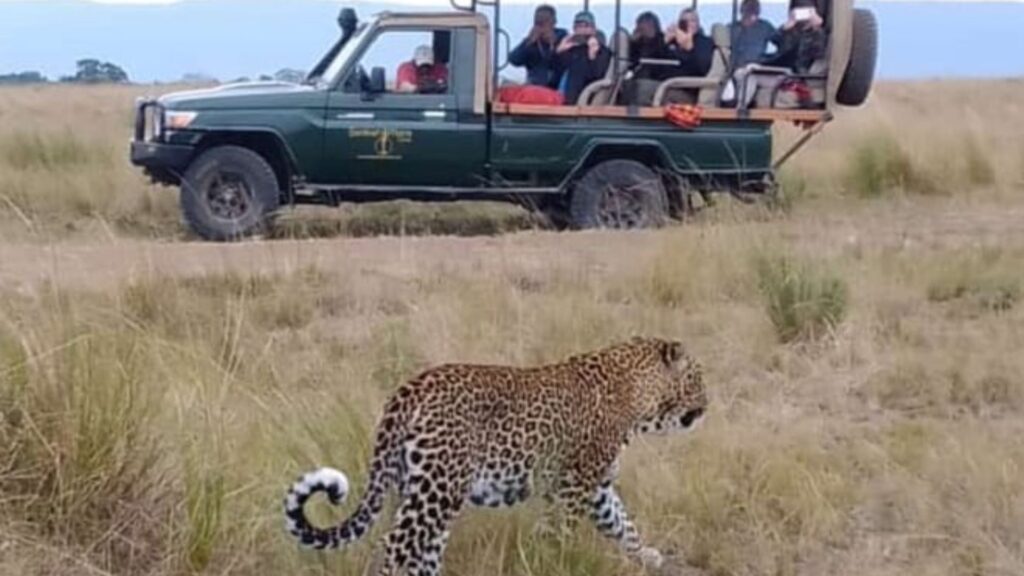
If you’re a photographer (amateur or professional), the migration offers endless subjects. Dramatic predator-prey interactions, sweeping landscape vistas, intimate wildlife moments, and human-nature connections all await.
Pro tip: Arrive with a sturdy telephoto lens (at least 200-300mm), a wide-angle for landscape shots, and plenty of memory cards. Guides at Sentinel Mara Camp will help position you for optimal lighting and composition.
The Deeper Experience
Beyond the spectacle, witnessing the Great Migration changes your perspective. You’re reminded of cycles older than human civilisation, of the delicate interdependence between predator and prey, of your own small place in an intricate web of life.
The Maasai people have coexisted with this migration for centuries, and their presence adds cultural depth to the experience. Many visitors find conversations with local guides and community members as enriching as the wildlife encounters themselves.
Making Your Booking
Ready to witness this wonder? Sentinel Mara Camp stands ready to welcome you.
The Great Migration waits for no one. While herds move according to ancient rhythms beyond human control, the season of peak viewing is finite. Those who seize the moment experience something that shapes them forever.
From Sentinel Mara Camp, you don’t just observe the Great Migration. You become part of its story.
Your gateway to nature’s greatest spectacle. Where wonder awaits at every sunrise.


